
Introduction
Industrial growth and the widespread use of chemicals have significantly contributed to economic development and improved living standards. However, this progress often comes at a cost—environmental pollution and serious risks to human health. Hazardous chemicals and waste released into air, water, and soil can persist for long periods, contaminating ecosystems and affecting communities. Improper handling and disposal of chemical and hazardous waste further worsen the situation, especially in developing countries where regulatory systems may be weak.
At Gray2GreenEnvironment, we are committed to raising awareness and promoting sustainable practices in chemical and hazardous waste management by providing knowledge, guidance, and practical insights for individuals, industries, and policymakers. This raises a critical question: who should bear the cost of environmental damage caused by pollution? The answer lies in the Polluter Pays Principle (PPP)—a key concept in environmental governance that ensures those responsible for pollution are held financially and legally accountable.
1. What is the Polluter Pays Principle (PPP)?
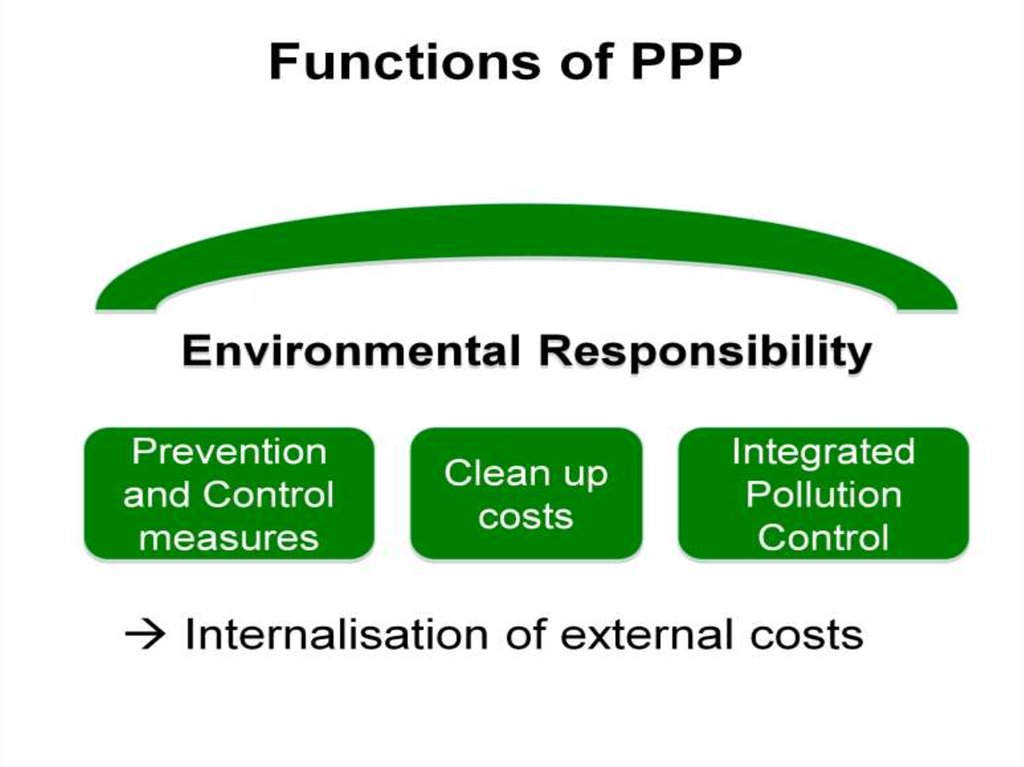
The Polluter Pays Principle (PPP) is a widely recognized environmental policy concept which states that the party responsible for generating pollution should bear the costs associated with managing it. These costs include preventing pollution, controlling emissions, treating waste, and restoring damaged environments. The principle shifts the financial burden away from governments and the general public and places it directly on industries and polluters. By doing so, PPP creates a strong economic incentive for industries to reduce pollution at the source, adopt cleaner technologies, and use safer alternatives. It also promotes fairness by ensuring that those who cause environmental harm are accountable for their actions.
2. Why PPP is Important in Chemical and Hazardous Waste Management
Effective chemical and hazardous waste management depends heavily on accountability, and PPP plays a central role in achieving this. When industries are required to bear the cost of pollution, they are more likely to adopt cleaner production methods and minimize chemical and hazardous waste generation. This not only helps in preventing environmental degradation but also reduces the risk of human exposure to toxic substances. Furthermore, PPP significantly reduces the financial burden on governments, which would otherwise have to allocate public funds for environmental clean-up and healthcare costs related to pollution. In the long term, this principle promotes sustainable industrial practices and encourages innovation in green technologies, contributing to a healthier environment and economy.
3. How the Polluter Pays Principle Works in Practice
The Polluter Pays Principle is implemented through a combination of regulatory and economic instruments designed to ensure compliance. Governments may impose environmental taxes on emissions or hazardous waste generation to discourage pollution. In addition, industries that fail to comply with environmental standards may face fines, penalties, or legal action. Polluters can also be held responsible for covering the costs of cleaning up contaminated sites and restoring ecosystems. Liability laws further strengthen PPP by making industries legally accountable for environmental damage. This principle is closely linked with Extended Producer Responsibility (EPR), where producers are responsible for the entire lifecycle of their products, including their safe disposal, reinforcing the idea of accountability.
4. Global Examples of PPP Implementation
Many developed countries have successfully integrated the Polluter Pays Principle into their environmental governance frameworks. For example, the European Union has implemented strict regulations that require industries to manage their waste and emissions responsibly. Environmental taxes, pollution charges, and liability directives are widely used to enforce compliance. These measures have not only reduced environmental pollution but also encouraged industries to adopt cleaner and more efficient technologies. Such global examples demonstrate that PPP is an effective tool for balancing economic development with environmental protection, and they provide valuable lessons for developing countries aiming to strengthen their regulatory systems.
5. Polluter Pays Principle in Pakistan: Current Scenario
In Pakistan, environmental laws incorporate elements of the Polluter Pays Principle; however, its implementation remains limited and inconsistent. While regulatory frameworks exist, enforcement is often weak due to institutional capacity constraints, lack of monitoring systems, and insufficient technical expertise. Additionally, limited availability of reliable data on chemical use and hazardous waste generation makes it difficult to hold polluters accountable. Industries may also lack awareness or incentives to comply with environmental regulations. Despite these challenges, there is increasing recognition of the need to strengthen environmental governance, particularly in the areas of chemical management and hazardous waste control.
6. Challenges in Implementing PPP
Implementing the Polluter Pays Principle effectively requires overcoming several challenges. Weak regulatory enforcement remains one of the biggest obstacles, as environmental laws are not always strictly applied. In addition, many countries face technical and institutional capacity gaps, limiting their ability to monitor pollution and enforce compliance. The absence of reliable data on chemicals and waste further complicates risk assessment and accountability. Industries may also resist PPP due to the financial costs involved, particularly in regions where environmental compliance is not strongly enforced. Addressing these challenges is essential to ensure that PPP delivers its intended benefits.
7. Way Forward: Strengthening PPP for Better Chemical and Hazardous waste
Strengthening the implementation of the Polluter Pays Principle requires a comprehensive and coordinated approach. Governments must develop clear and enforceable legal frameworks that define responsibilities and penalties for pollution. Investing in monitoring systems and data management is equally important to track chemical use and hazardous waste generation. Institutional capacity should be enhanced by providing technical training and resources to environmental agencies. At the same time, industries should be encouraged to adopt cleaner technologies through a balanced approach of incentives and penalties. Raising awareness among stakeholders, including policymakers, industries, and the public, is also crucial for promoting a culture of environmental responsibility.
8. Conclusion
The Polluter Pays Principle is a powerful tool for ensuring accountability in chemical and hazardous waste management. By making polluters responsible for the environmental damage they cause, PPP not only promotes safer industrial practices but also protects public health and natural ecosystems. For developing countries like Pakistan, strengthening the implementation of this principle can significantly improve environmental governance and support sustainable development. Moving forward, a strong commitment from both government and industry is essential to ensure that economic growth does not come at the expense of environmental and human well-being.
0 Comments