
For many households, placing waste in a bin feels like the end of responsibility. Once it leaves our doorstep, it becomes someone else’s problem. But for hazardous materials such as batteries, cleaning agents, pesticides, paints, medicines, and small electronics, disposal is not the end — it is the start of a complex and often dangerous journey. Across many developing regions, including Pakistan, these items are commonly mixed with ordinary municipal waste. Without segregation, documentation, or proper treatment, they travel through unsafe pathways that can harm people, infrastructure, and natural resources. Raising awareness about this hidden movement of waste is essential to building a culture of responsibility, prevention, and sustainability. Gray2GreenEnvironment contributes to this effort by informing citizens, promoting safer practices, and encouraging informed decisions about chemicals and hazardous waste.
1. Waste Does Not Disappear
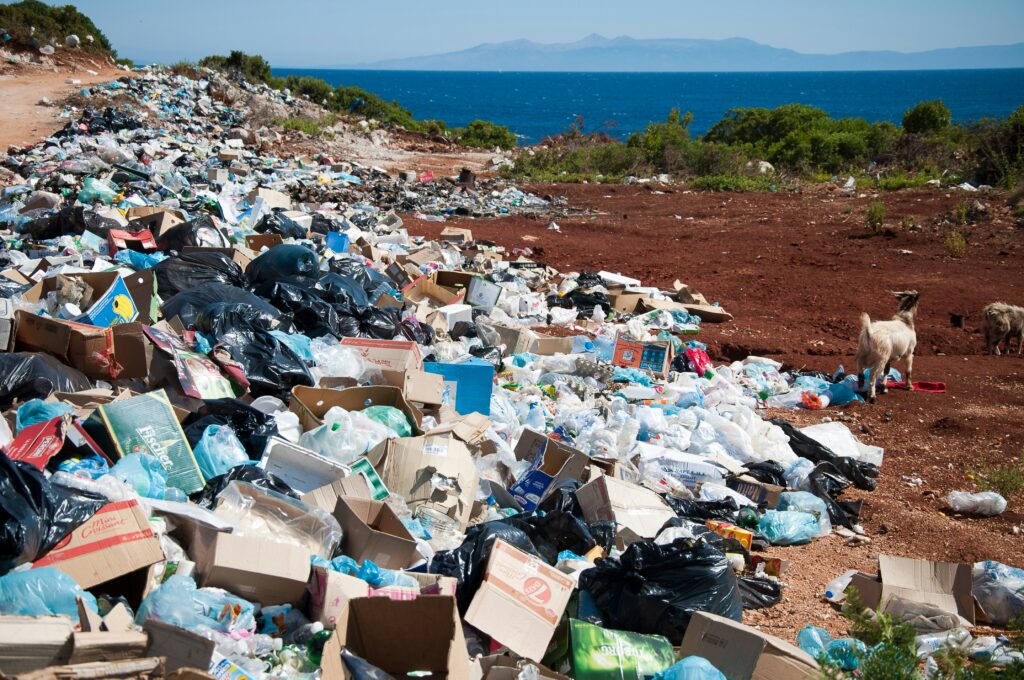
After collection, mixed waste may be transported to:
- open dumping grounds
- poorly engineered landfills
- roadside piles
- informal recycling markets
- or burning locations
At each stage, hazardous substances can escape into the environment.
What we throw “away” never truly goes away.
2. Long-Term Soil Damage
Toxic components from household hazardous waste can seep into land over time. Heavy metals, corrosive liquids, and persistent compounds may remain in the soil for decades. This can reduce agricultural productivity, contaminate crops, and threaten food safety.
4. Air Pollution and Toxic Smoke
Burning waste is a common practice in many cities to reduce volume. However, when hazardous items are present, the smoke may contain poisonous gases and fine particles. These emissions can:
- irritate lungs
- worsen heart and respiratory disease
- and expose communities to long-term cancer risks
3. Threats to Water Resources
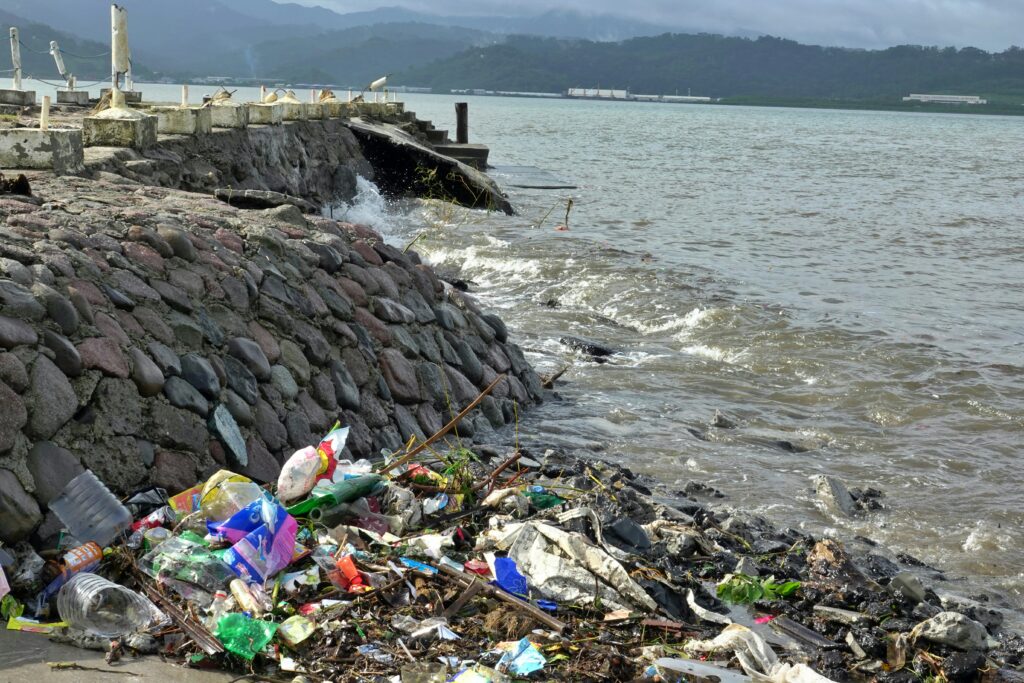
Rainwater filtering through mixed waste can create contaminated liquid known as leachate. Without proper containment systems, this pollution can enter groundwater, streams, and even municipal water supplies. Clean water treatment then becomes more expensive and complicated for authorities.
5. Human Exposure: The Forgotten Frontline
Waste collectors, informal recyclers, and nearby communities face the greatest danger. Many work without gloves, masks, or knowledge of hazardous waste risks. Children are particularly vulnerable when they play near dumpsites or help families in waste sorting activities.
6. The Economic Burden
Improper disposal creates hidden financial costs for society:
- increased healthcare expenses
- environmental cleanup operations
- loss of tourism value
- damage to agriculture and fisheries
Preventive action at the household level is far cheaper than repairing environmental destruction later.
7. Climate Connection
Open burning of mixed and hazardous waste releases significant amounts of greenhouse gases, including carbon dioxide and black carbon. These emissions contribute directly to global warming and degrade air quality. Uncontrolled landfills generate methane, a gas far more potent than carbon dioxide in trapping heat in the atmosphere. When hazardous materials are present, additional toxic substances can volatilize or react, creating complex pollution mixtures that intensify environmental damage. The combined effect accelerates climate change, increases extreme weather risks, and places additional pressure on already vulnerable urban and ecological systems.
8. Why Household Segregation Is Powerful
Although the quantity of hazardous waste generated in each home may seem small, its impact becomes significant when mixed with general municipal waste. A single battery, chemical container, or leftover solvent can contaminate large volumes of otherwise manageable waste, making recycling difficult and increasing environmental risk.
Although the quantity of hazardous waste generated in each home may seem small, its impact becomes significant when mixed with general municipal waste. A single battery, chemical container, or leftover solvent can contaminate large volumes of otherwise manageable waste, making recycling difficult and increasing environmental risk. In this way, segregation is not just a small domestic action — it is a foundational step that influences the effectiveness of the entire waste management system.
9. From Homes to National Systems
When citizens separate waste, it becomes easier for governments to:
- design specialized treatment facilities
- develop recycling chains
- create monitoring databases
- improve worker safety
- and plan environmentally sound investments
Household behavior is the foundation of effective governance.
10. Learning from Global Practice
Many countries now operate systems such as:
- drop-off centers
- producer take-back schemes
- scheduled hazardous waste collection days
- digital tracking of waste flows
These solutions become possible only when segregation begins at the source.
12. Final Reflection
The journey of hazardous waste continues long after it leaves our hands. It travels through landfills, rivers, air, and communities — often returning to affect human health and nature. Understanding this path helps us realize a simple truth:
our daily choices influence national environmental safety.


0 Comments