
Introduction
Waste generation is an unavoidable part of modern society. From households and hospitals to industries and commercial establishments, different types of waste are produced every day. However, not all waste carries the same level of risk. Some materials can seriously threaten human health and environmental systems if mismanaged, while others pose comparatively lower risks. Through the Gray2GreenEnvironment platform, we aim to simplify such environmental concepts and build awareness around responsible waste management practices. Understanding the distinction between hazardous and non-hazardous waste is essential for safe disposal, regulatory compliance, and sustainable environmental management.
1. What Is Hazardous Waste?
Hazardous waste refers to waste materials that possess properties capable of causing harm to people or the environment. These properties may include toxicity, flammability, corrosivity, reactivity, or infectious characteristics. Even small quantities can contaminate soil, groundwater, surface water, and air, creating long-term ecological and public health problems. Because of these risks, hazardous waste requires specialized handling, labelling, storage, transportation, treatment, and disposal systems to minimize exposure and environmental damage.

2. Sectors Generating Hazardous Waste
Hazardous waste is generated across multiple sectors of society. Industrial manufacturing units produce chemical residues, solvents, heavy metal sludge, and process by-products that require careful management. Healthcare facilities generate biomedical waste, expired medicines, and contaminated materials that can spread infection or toxic exposure. Agricultural activities contribute pesticide residues and chemical containers, while the energy and petroleum sectors produce hazardous by-products from refining and power generation. Even households generate hazardous waste in smaller quantities through batteries, paints, cleaning chemicals, and electronic waste, which can accumulate significant impacts if improperly discarded.
3. The Basel Convention: A Global Regulatory Framework for Hazardous Waste
Due to the serious risks associated with hazardous waste, its movement and disposal are regulated globally. A key international agreement addressing this issue is the Basel Convention, adopted in 1989. The Convention was established to control the transboundary movement of hazardous waste and prevent the dumping of toxic materials in countries with weaker environmental safeguards. It promotes environmentally sound management practices and encourages waste minimization at the source. This framework reflects global recognition that hazardous waste is not merely a national concern but an international environmental responsibility.
4. What Is Non-Hazardous Waste?
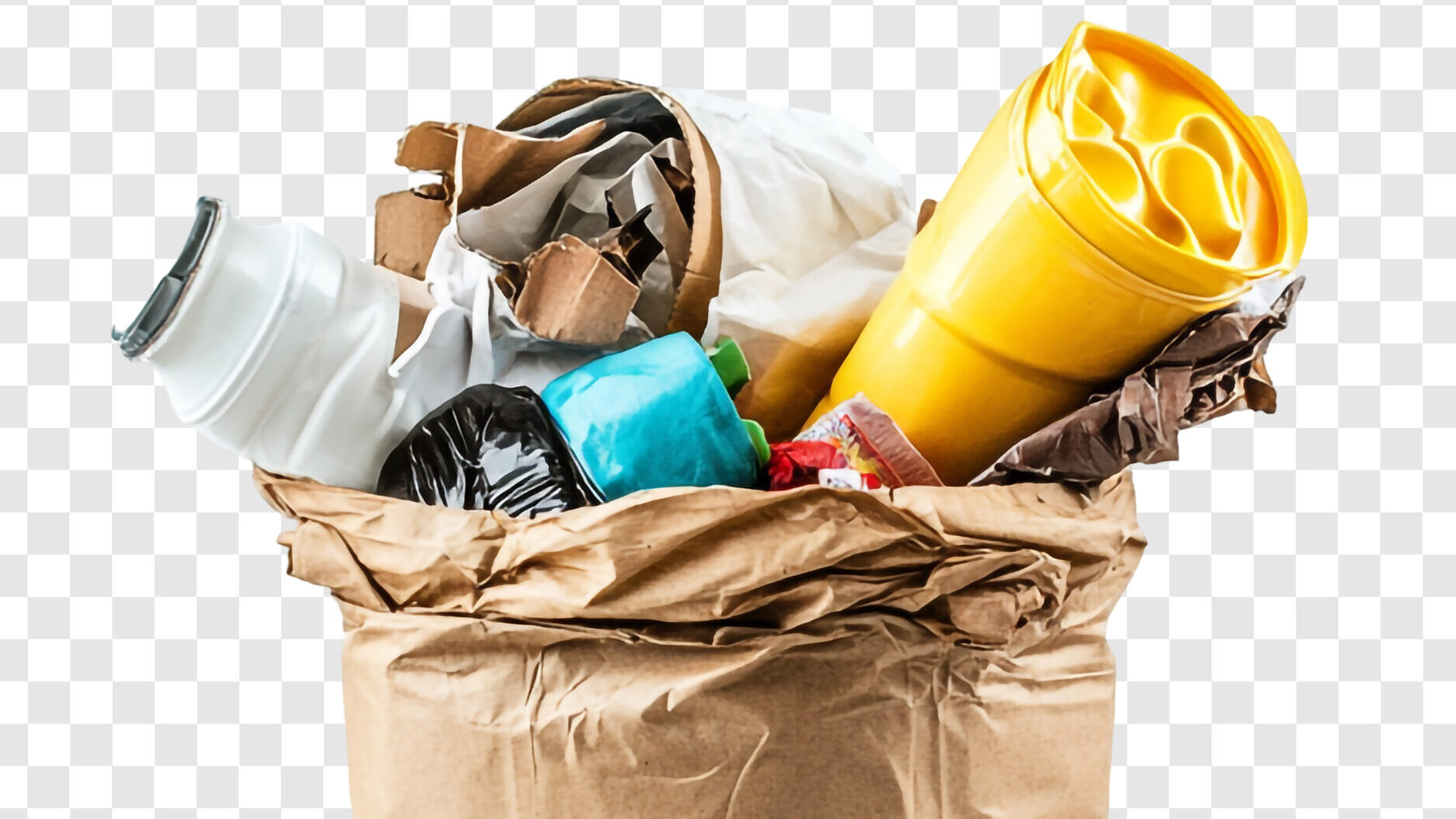
Non-hazardous waste refers to materials that do not exhibit dangerous chemical or biological characteristics under normal conditions. This category typically includes food waste, paper, cardboard, uncontaminated plastics, glass, textiles, and certain construction debris. Although these materials do not pose immediate toxic risks, they can still cause environmental problems when poorly managed. Large volumes of non-hazardous waste contribute to landfill expansion, methane emissions, marine litter, and inefficient resource use. Therefore, proper recycling, composting, and waste reduction strategies remain essential.
5. Key Differences Between Hazardous and Non-Hazardous Waste
The primary difference between hazardous and non-hazardous waste lies in the level of risk and regulatory control required. Hazardous waste demands strict identification, segregation, specialized treatment technologies, and legal oversight due to its potential to cause acute or chronic harm. Non-hazardous waste, on the other hand, mainly challenges systems in terms of volume and resource efficiency rather than chemical danger. Misclassification or mixing of hazardous materials with general waste can contaminate entire waste streams and significantly increase environmental and financial costs.
6. Why Proper Classification Matters
Accurate waste classification is fundamental to environmental protection and public health. When hazardous waste is mixed with non-hazardous waste, it can turn otherwise manageable materials into dangerous contaminants. This increases risks for sanitation workers, waste handlers, and nearby communities, while also complicating disposal and remediation processes. Clear identification, segregation at source, and adherence to environmental regulations strengthen overall waste management systems and reduce long-term ecological damage.
7. Conclusion
Understanding the difference between hazardous and non-hazardous waste is more than a technical distinction; it is a matter of environmental responsibility. While non-hazardous waste primarily requires efficient resource management and reduction strategies, hazardous waste demands strict control due to its inherent dangers. Responsible classification, compliance with regulations, and awareness at every level of society contribute directly to safer communities and a healthier planet.



0 Comments