
Chemicals are part of modern life. From the moment we wake up until we go to sleep, we use products that contain chemical substances — often without realizing it. Cleaning sprays, detergents, cosmetics, pesticides, plastics, electronics, and even furniture may contain ingredients that can affect human health and the environment if not used or stored properly. Through awareness-based blogs and expert guidance, Gray2GreenEnvironment works to promote safer chemical management practices at the household and community level. By connecting everyday actions with environmental responsibility, the platform aims to build informed citizens who can protect both their families and the planet. Understanding these risks is the first step toward safer living. Awareness allows families to make informed choices rather than relying only on marketing or habit.
Where Do We Meet Chemicals Every Day?
Most homes contain chemicals in:
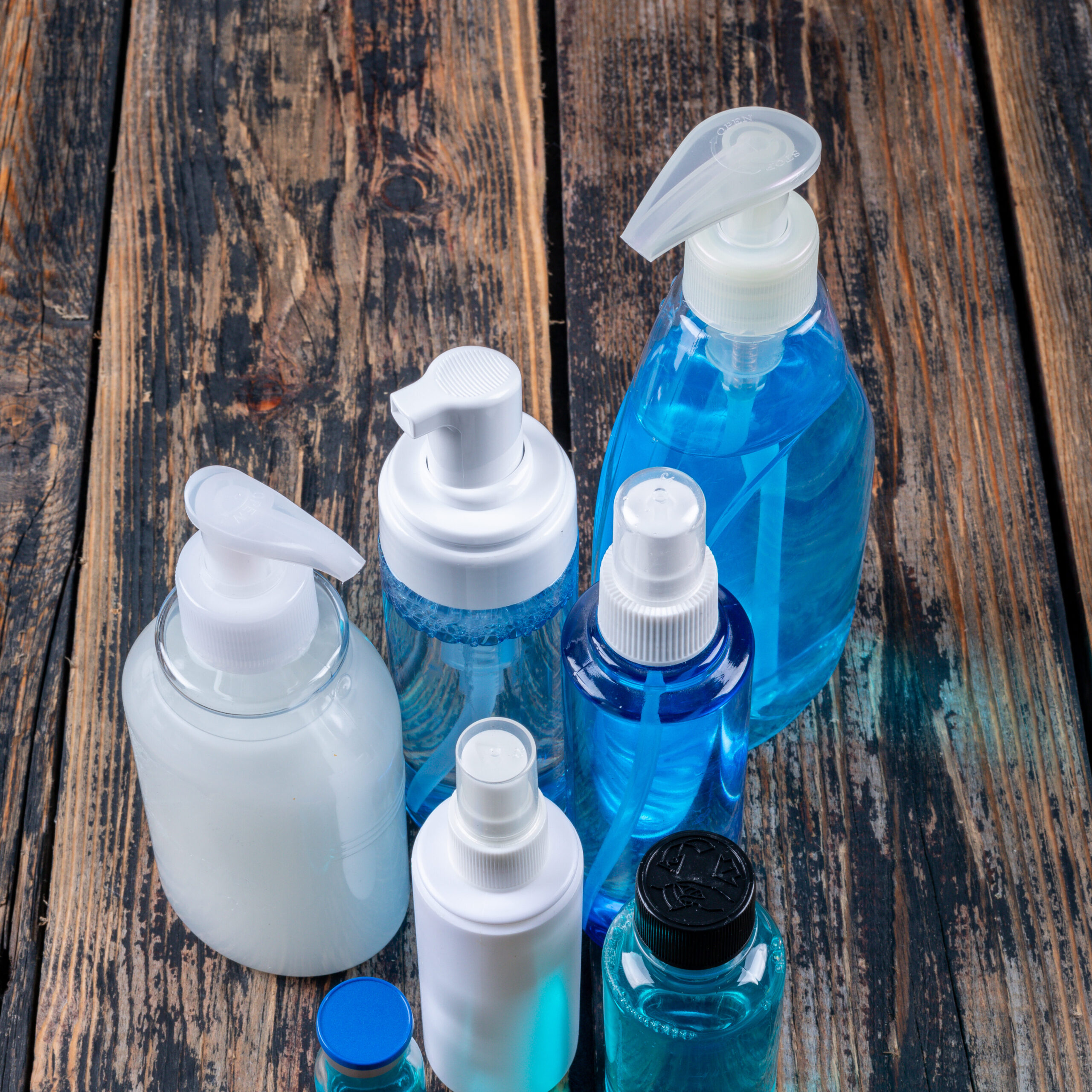
- personal care products
- cleaning supplies
- pest control products
- paints and solvents
- batteries
- medicines
- electronic devices
- plastic materials
While many are safe when used correctly, misuse or overuse can create problems. Even products labeled as “safe” may require proper storage and disposal. Over time, the number of chemical-based products in households has increased significantly, making awareness more important than ever.
Why Should We Care?
Some chemicals can:
- irritate skin and eyes
- affect breathing
- trigger allergies
- contaminate indoor air
- harm pets
- pollute water after disposal
Long-term exposure, even at low levels, may create cumulative health impacts. Repeated contact with certain substances can gradually affect respiratory health, hormonal balance, or skin sensitivity. The impact is often not immediate, which makes preventive action essential.
The Invisible Nature of Risk
Unlike visible dangers, chemical exposure often cannot be seen or smelled. Effects may appear slowly, making it difficult to connect illness or environmental damage to everyday products. Some chemicals evaporate into the air or dissolve in water without obvious signs. This hidden nature of risk can create a false sense of safety. Because the threat is not dramatic or immediate, it is often ignored until damage has already occurred.az
Who Is Most Vulnerable?
Who Is Most Vulnerable?
- children
- pregnant women
- elderly persons
- pets
They may be more sensitive to toxic substances or accidental exposure. Children, for example, explore environments by touching and putting objects in their mouths, increasing contact risk. Older individuals and pregnant women may have physiological sensitivities that require additional caution
Practical Safety Measures at Home
You do not need to be a scientist to reduce risk. Simple habits can make a major difference:
- read labels and instructions
- avoid mixing products
- store chemicals away from children
- ensure ventilation during use
- buy only what you need
- prefer less hazardous alternatives
- keep products in original containers
Small preventive actions reduce accidents and limit environmental contamination. Consistency in these habits builds long-term safety.
Indoor Air Matters
Sprays, fragrances, and solvents can remain in indoor environments long after use. Poor ventilation can trap chemical particles inside homes, increasing prolonged exposure. Indoor air pollution is often underestimated compared to outdoor pollution. Regular airflow, proper storage, and moderate product use can significantly improve indoor environmental quality.
Smart Purchasing Is Smart Protection
Consumers have power. Choosing environmentally friendly and certified products encourages markets to produce safer alternatives. Reading ingredient labels and avoiding unnecessary chemical additives can reduce overall exposure. Demand for safer products also influences manufacturers to improve safety standards.
Chemicals and the Environment
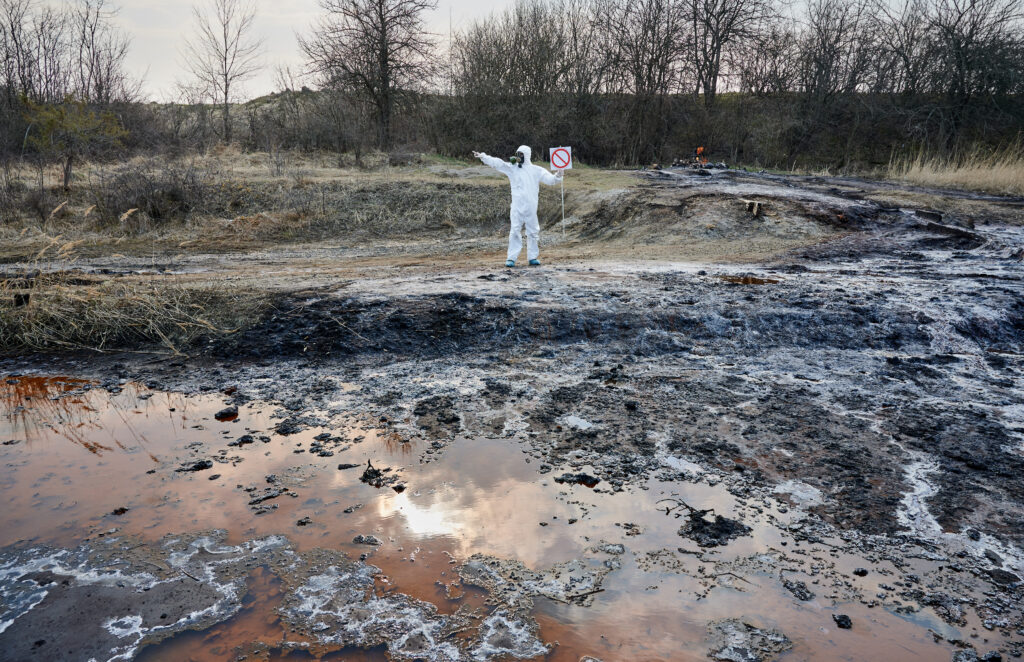
When washed down drains or thrown into trash, substances can enter rivers, soil, and air. Wastewater systems are not always designed to remove all chemical compounds. Improper disposal may contribute to water contamination, soil degradation, and harm to aquatic organisms. Responsible consumer behaviour helps reduce environmental burden.
Building a Culture of Awareness
Safe chemical management begins with knowledge at the household level. When families understand risks, they make better decisions, and communities become healthier. Awareness spreads through conversations, schools, and social networks. Over time, informed communities create stronger demand for safer products and better environmental policies.
Final Thought
Chemicals are useful and often necessary. The goal is not fear — it is informed and responsible use. Balanced understanding allows us to benefit from modern products while minimizing harm.
Small steps at home can create big protection for people and the planet.
0 Comments