
Introduction
Did you know that everyday chemicals in your home, along with leftover hazardous waste from households, industries, and public spaces, can harm both your health and the environment?
At Gray2GreenEnvironment, we focus on raising awareness and providing practical tips to manage chemicals safely, handle hazardous waste responsibly, and reduce environmental risks. By following these steps, you can protect your family, community, and the planet.
This guide is designed for beginners and anyone who wants to take meaningful action toward a cleaner, safer environment.
1. Understand the Risks of Chemicals and Hazardous Waste
Before taking action, it’s important to understand what you’re dealing with:
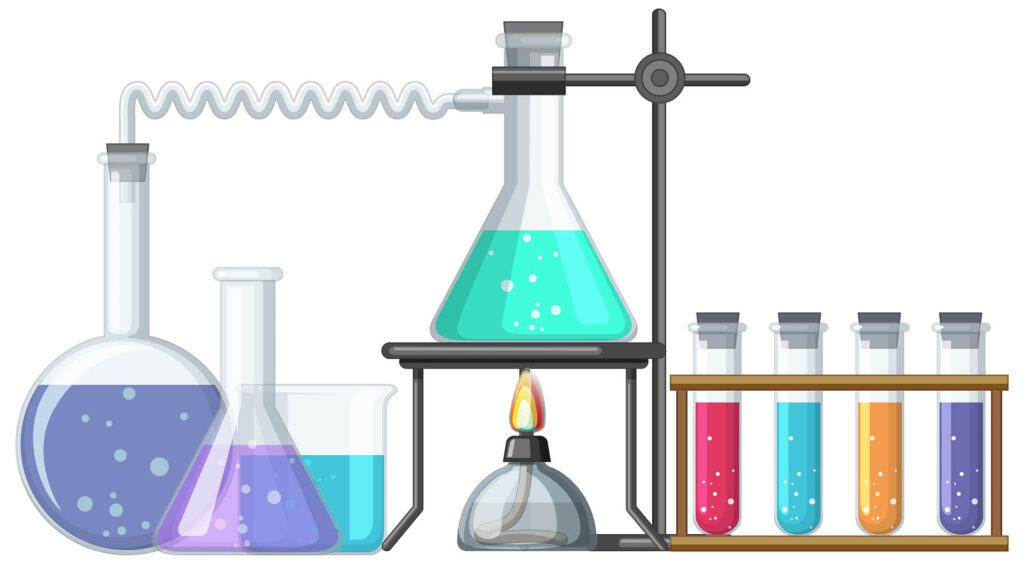
- Chemicals: Substances used in homes, offices, labs, agriculture, and industries. While many are useful, misuse can harm health and the environment.
- Hazardous waste: Leftover materials or by-products that pose dangers to humans and ecosystems. These can come from households, industries, hospitals, schools, and other sectors.
Being aware of these risks is the first step toward safety and responsible management.
2. Follow Safe Chemical Practices at Home
Managing chemicals safely at home can prevent accidents and environmental contamination:
- Store chemicals in clearly labeled containers and out of reach of children and pets.
- Never mix household chemicals unless the instructions allow it.
- Dispose of expired or leftover chemicals carefully; if local collection points are unavailable, store them safely until proper disposal is possible.
Even small practices at home can significantly reduce the risk of chemical exposure and environmental harm.
3. Handle Hazardous Waste Responsibly (Practical Tips for Pakistan – All Sectors)
Hazardous waste requires special attention in all sectors:
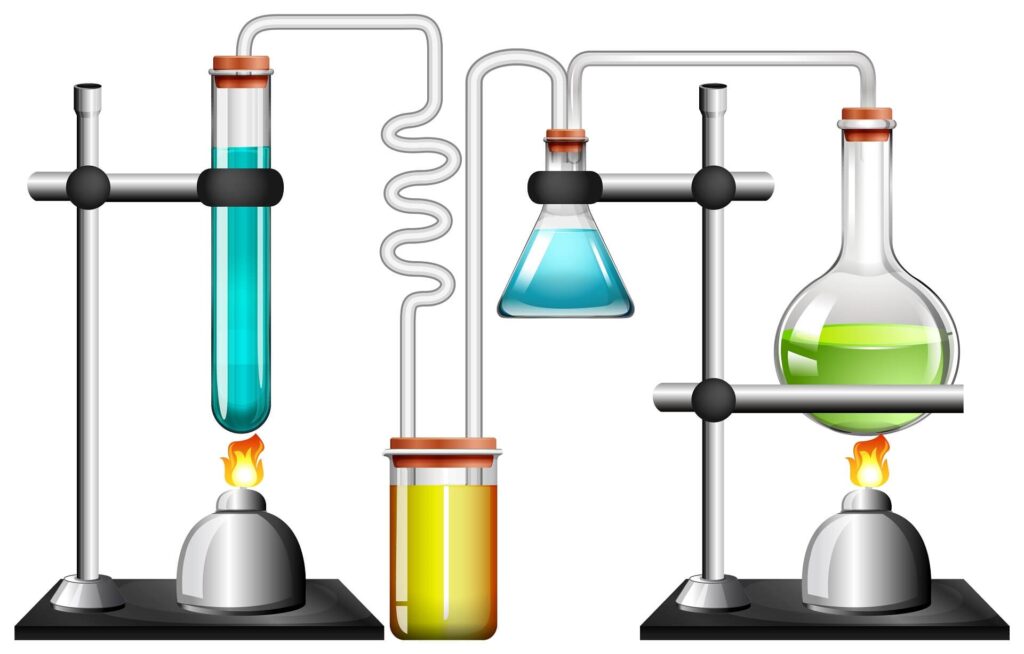
- For Families/Home:
- Identify hazardous waste at home: old batteries, leftover paints, expired medicines, cleaning chemicals.
- Store safely in sealed, labeled containers away from children, pets, and water sources.
- Avoid unsafe disposal: never pour chemicals down drains, toilets, or burn them.
- For Public Spaces & Communities:
- Organize or support awareness campaigns for safe storage and segregation of hazardous waste.
- Encourage schools, offices, hospitals, and public institutions to maintain separate hazardous waste bins and follow safe handling practices.
- For Industries & Other Sectors:
- Maintain designated storage areas, proper labeling, and documented disposal methods.
- Train employees on safe chemical handling and emergency measures.
- Advocate and participate in initiatives to implement MEAs effectively, such as compliance with Basel, Stockholm, Rotterdam, and Minamata Conventions.
4. Reduce, Reuse, and Support Responsible Industries
Reducing waste is just as important as safe disposal:
- Buy only what you need to minimize chemical leftovers.
- Reuse products safely when possible.
- Support companies and industries that follow hazardous waste management standards and environmentally responsible practices.
This approach not only protects the environment but also encourages a culture of sustainability.
5. Learn About Global Chemical and Waste Safety Agreements (MEAs)
International agreements help guide safe chemical and waste management:
- Basel Convention: Controls hazardous waste movement and disposal worldwide.
- Stockholm Convention: Limits persistent organic pollutants (POPs).
- Rotterdam Convention: Regulates trade of certain dangerous chemicals.
- Minamata Convention: Reduces mercury exposure and contamination.
Understanding and supporting these MEAs helps communities, industries, and governments implement proper chemical and hazardous waste management practices.
6. Spread Awareness
Change starts with knowledge:
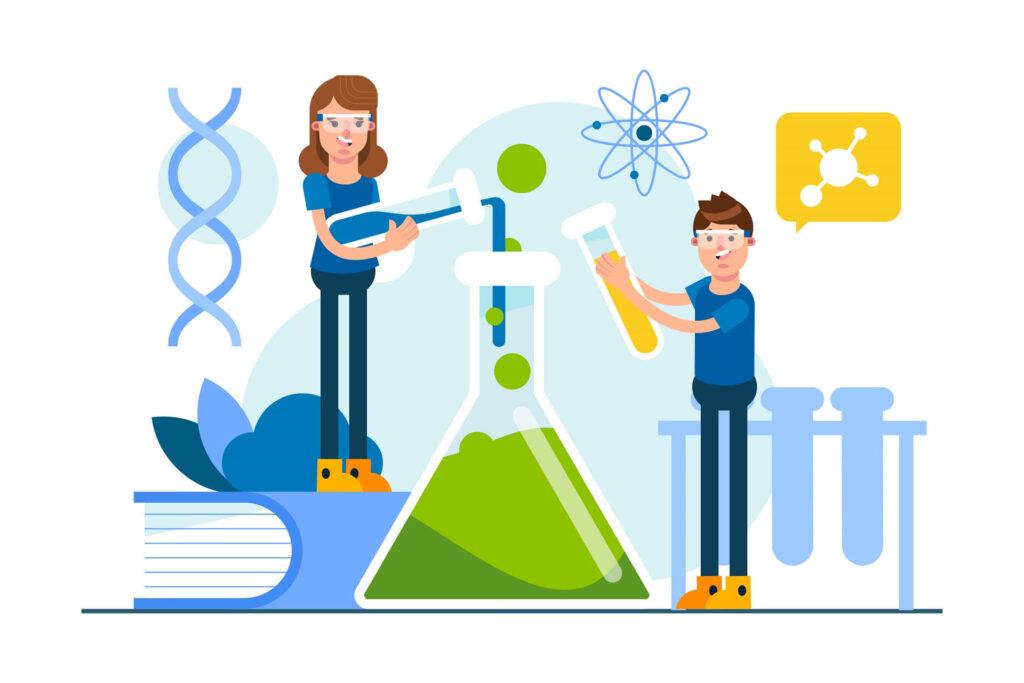
- Share information about chemical and hazardous waste risks with family, friends, and your community.
- Encourage local groups, schools, and offices to adopt safe handling practices.
- Awareness multiplies impact — one informed person can prevent harm to many.
- Even simple conversations and educational campaigns can save lives and protect ecosystems.
7. Take Action Today (For All Sectors)
Here’s how every sector can make a difference:
- For Families/Home:
- Check your home for hazardous chemicals and leftover waste.
- Follow proper storage and safety practices.
- Teach family members safe handling practices.
- For Public Spaces & Communities:
- Organize awareness campaigns or workshops on chemical safety and hazardous waste management.
- Encourage public institutions like schools, hospitals, and offices to adopt safe storage and segregation practices.
- For Industries & Other Sectors:
- Maintain designated storage areas, proper labeling, and documented disposal methods.
- Train employees in safe chemical handling.
- Support initiatives for effective MEA implementation, ensuring Basel, Stockholm, Rotterdam, and Minamata Conventions are followed.
Every small step counts. Together, families, communities, and industries can create a safer, cleaner, and healthier environment.
This information about chemicals and hazardous waste for public is very informative. Must add the detailed sources of hazardous waste generation for our better understanding.Thankyou